Hearing Aids in Newcastle
Send Us a Message
Thank you for contacting Local Hearing Aid Specialists.
We will get back to you as soon as possible.
Oops, there was an error sending your message.
Please try again later.
Supplying & Fitting Hearing Aids
Local Hearing Aid Specialists supplies and fits all brands and types of hearing aids to clients across Newcastle. As a fully independent, commission-free clinic, our recommendations are based solely on what suits your hearing profile, lifestyle and budget, not a brand preference or sales target.
Modern hearing aids are smaller and more advanced than ever, offering features such as background noise reduction, speech enhancement and Bluetooth connectivity to smartphones, tablets and televisions.
Our qualified audiometrists will work with you to identify the most suitable device and provide a trial period so you can assess its performance before making a final decision.
To find out more about our hearing aid services, contact Local Hearing Aid Specialists on (02) 4023 2055.
What are the Types & Brands of Hearing Devices?
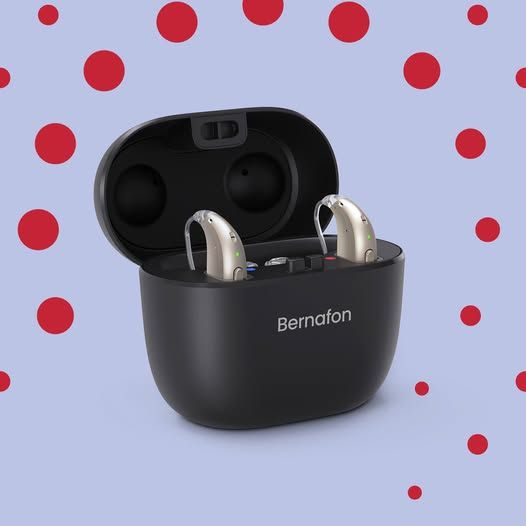
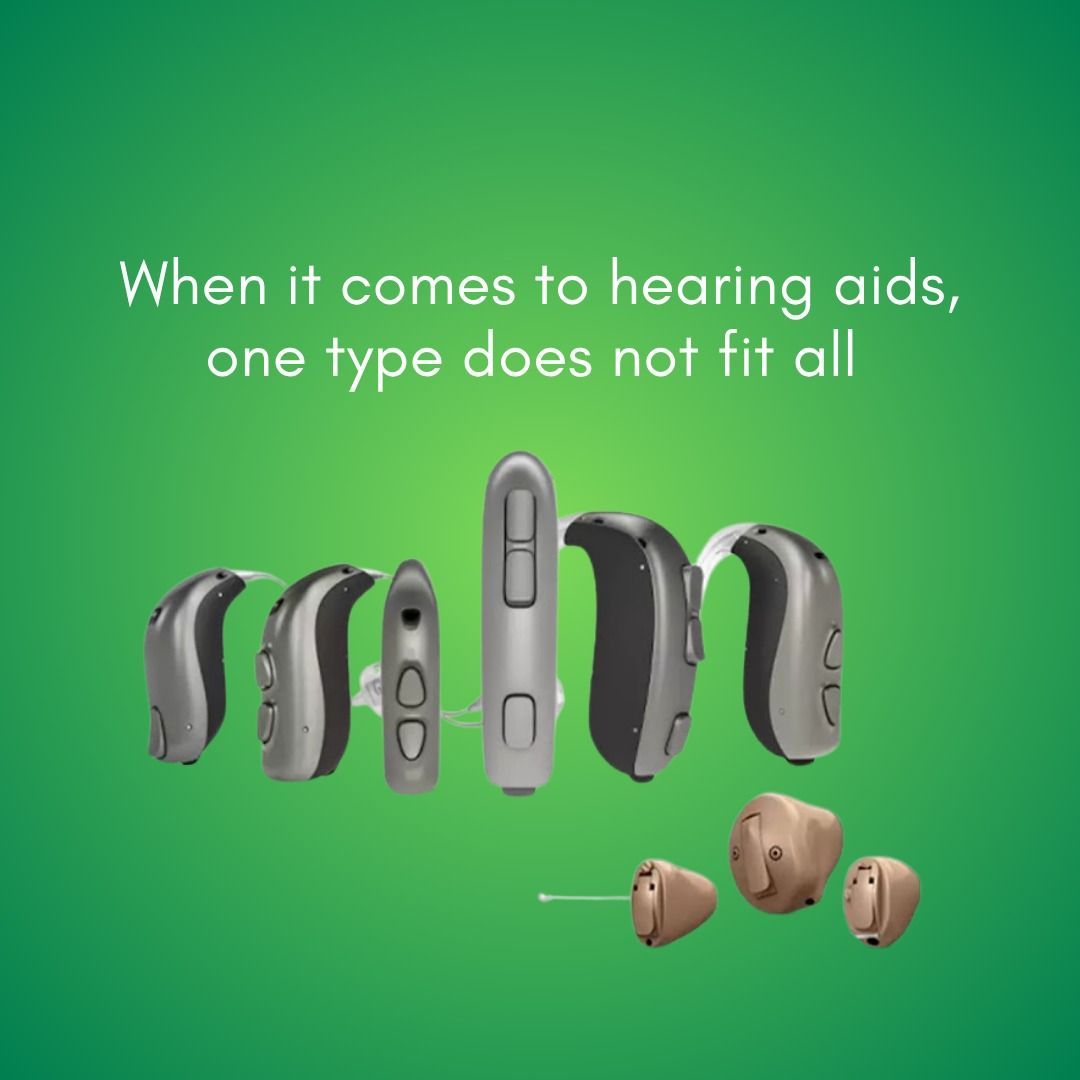
We offer the latest, advanced hearing solutions. Modern hearing devices are smaller in size than their predecessors and come in a range of options.
Today’s hearing aids are designed to decrease background noise, provide speech enhancement, and offer wireless connection to your mobile phone, iPad and streamers connecting to your TV. As an independent supplier of hearing aids, we can fit you with the hearing device which best suits your hearing needs, lifestyle and budget. We sell all brands and types of hearing devices.
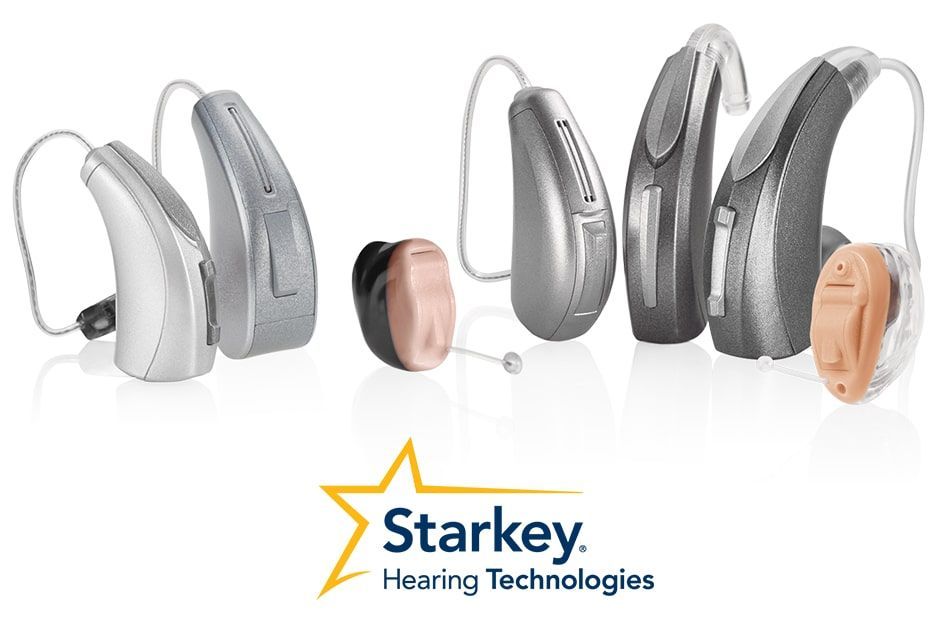
Behind-the-ear: This type of hearing device sits behind the ear. Sound travels through a tube which fits into an ear mould or dome. They are small and help hearing loss from mild to severe.
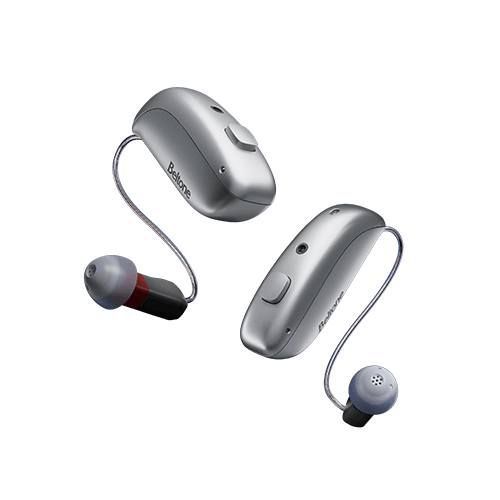
Receiver-in-ear: This type of hearing device is a behind-the-ear style with a small casing which sits behind the ear, with the receiver/speaker resting in the ear canal. These hearing devices tend to be smaller and Bluetooth compatible.
Custom Hearing Aids
In-the-ear: This type of hearing device fills the entire concha bowl area of the ear and can be used for mild to severe hearing loss. It is customed made to fit securely. They are lightweight and simple to insert and remove. They use bigger batteries that require replacing less often and are good for reduced dexterity. These devices are also available with Bluetooth technology.
In-the-canal: Smaller than In-the-ear hearing devices, this type fits the lower third of your external ear cavity. In-the-canal hearing devices require a smaller battery and are available with Bluetooth technology.
Completely-in-the-ear: Worn completely in the ear canal, this type of hearing device has a custom fit and offers less feedback from telephones and other noise interference.
First Steps to Managing Hearing Loss
- Adopt a positive attitude towards managing your hearing loss. Remember, support is available.
- Don’t delay consulting a qualified professional for assessment and guidance.
- If hearing devices are recommended, consider them as part of a rehabilitation program and allow time to adapt, adjust and to learn appropriate communication strategies.
- Ensure that you learn to use the features of any hearing device that you need.
- Learn and use effective communication strategies.
- Become an informed consumer of hearing rehabilitation, including hearing devices.
Frequently Asked Questions
How do I know which hearing aid is right for me?
The most suitable hearing aid depends on a range of factors, including your degree of hearing loss, lifestyle, dexterity and budget. A qualified audiometrist will assess your individual needs and discuss the available options with you before any recommendation is made.
How long does it take to adjust to wearing hearing aids?
Adjustment periods vary from person to person. It's common to need time to adapt to new sounds and the sensation of wearing a device. Your audiometrist will provide guidance and schedule follow-up appointments to make adjustments as needed.
Are hearing aids covered by health insurance or government funding?
Depending on your circumstances, you may be eligible for subsidised hearing aids through the Australian Government's Hearing Services Program, the NDIS or a private health insurance rebate. It's worth discussing your individual situation with your clinic and relevant fund or program.
Did You Know?
The first hearing device, the ear trumpet, was invented in the 1600s. Over time the ear trumpet changed in size and make. In 1898, American, Miller Reese Hutchison invented the first hearing aid using an electric current to amplify weak signals.
By 1913, the first commercially available hearing aids were made using a vacuum tube. With the invention of the transistor in 1948, manufacturers were able to replace the vacuum tube with smaller transistors. During the 1970s the invention of the microprocessor and multi-channel amplitude compression created smaller and better hearing quality devices. In the 1990s the first all-digital hearing aids were invented followed by Bluetooth technology in the early years of the 2000s.
Safety Warning
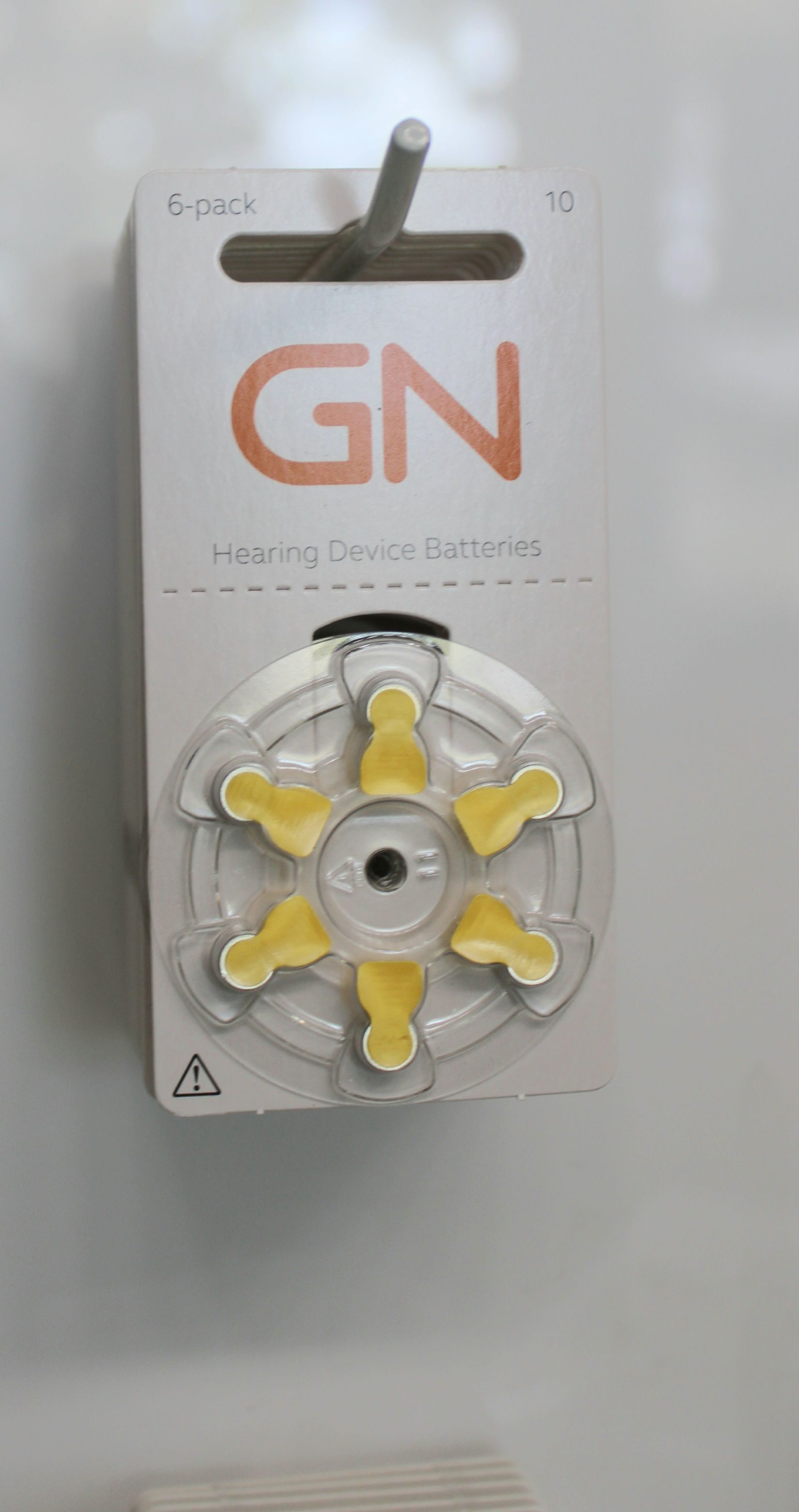
Button batteries can be found in many household items. Button batteries are flat, round, single cell batteries with diameters up to 32 mm, and the main battery chemistries used are alkaline, lithium and silver oxide. Button batteries may also be referred to as coin cell batteries. Button batteries are used in a broad range of personal and household products such as remote controls for appliances and electronics, computers and calculators, garage door openers, flameless candles, toys and games, cameras, key fobs, kids’ jewellery, novelties, torches, book lights, kitchen scales, musical greeting cards and in clothing and accessories. If a child swallows a button battery it can get stuck in their system and burn through soft tissue in as little as two hours, causing serious illness or death. Repair can require feeding and breathing tubes, and multiple surgeries. Children under five years old are at the greatest risk. In 2012, Energizer, Kidsafe, and the Australian Competition and Consumer Commission launched a joint safety campaign, The Battery Controlled, calling on parents to keep batteries out of reach of children, get help fast if swallowed, and to spread the word about the danger. In Australia, two children have died from button battery related injuries. Each week, an estimated 20 children visit an emergency department for removal or treatment of a swallowed or inserted button battery.
The most serious cases involve 10 cent-sized batteries, but all sizes can be dangerous.
- If you suspect a child has swallowed a button battery, immediately call the Poisons Information Centre on 13 11 26 or go to a hospital emergency room. Do not let the child eat or drink and do not induce vomiting
- Keep coin-sized button batteries and devices out of sight and out of reach.
- Examine devices and make sure the battery compartment is secure.
- Dispose of used button batteries immediately. Flat batteries can still be dangerous.
- Tell others about the risk associated with button batteries and how to keep their children safe.